
Mental training for athletes: why and when to start?
Mental training helps an athlete be more consistent, more confident and more effective in competition. With comparable technical and physical levels, it's often the mind that makes the difference between what is achieved in training and what is produced on the day.
Mental training needs change with age: you don't work the same way with a child discovering competition, an adolescent who is progressing, or an adult aiming to fully exploit their potential. I believe it's important to understand these differences to know when to start and what mental training can realistically bring.
Before 13: learn the basics and approach competition calmly
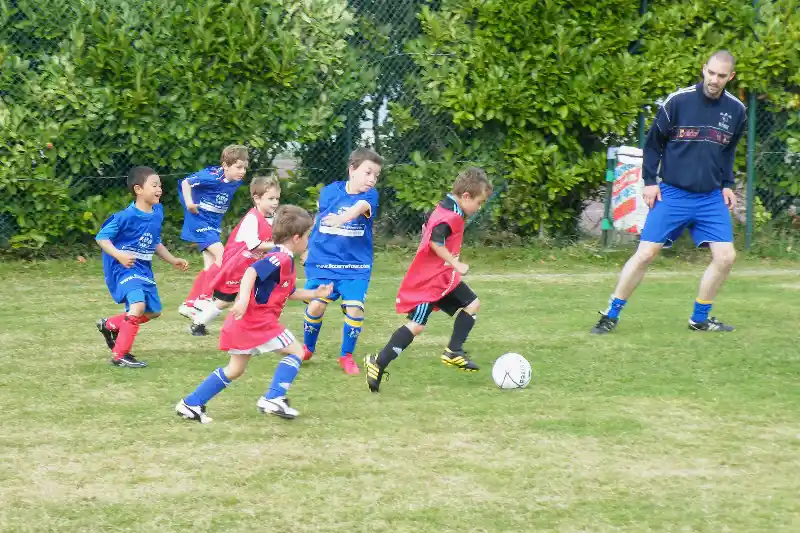
Before thirteen, mental training is primarily about learning the basics. At this age a child gradually discovers competition and the emotions that come with it. They start to understand what success and failure mean, and naturally look for reference points to better handle these situations. Some children put a lot of pressure on themselves to perform, others lose their composure in competition or struggle to stay focused at the right moment. These reactions are part of sporting learning, but they can be better understood and better managed when the child is supported.
Mental training helps install simple, effective routines. The child discovers what confidence is and learns that it can be developed. They learn how to prepare mentally before a competition, how to concentrate better, and how to put results into perspective so they can continue to improve. The aim is not to create an early specialist, but to allow the child to build solid mental foundations and face competitions with more ease. The mental habits acquired at this age often form the foundation for future progress.
Does your child compete and you want to help them build solid mental foundations?
Between 13 and 17: a pivotal period for athletic progression
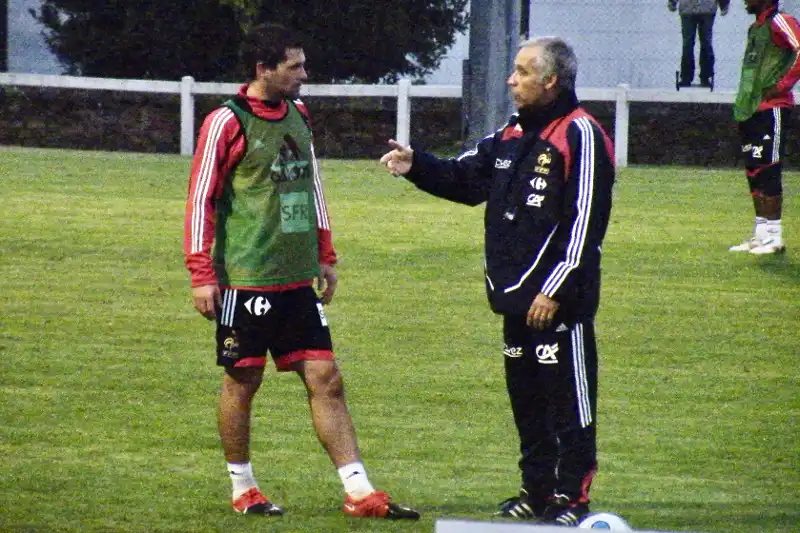
Between thirteen and seventeen, an athlete goes through a particularly important period for their mental development. Adolescence is a phase of physical and personal transformation that often coincides with a rise in the level of competition. Training becomes more demanding, results gain importance, and some athletes join more selective structures such as sports-focused school programs, sports-study tracks or elite training centers. This evolution often marks a step change in sporting practice.
In this context the mind often becomes decisive. The young athlete must learn to manage higher expectations, to maintain confidence despite periods of doubt and to stay effective in tougher situations. It's often at this age that a gap appears between performance in training and results in competition. Mental training therefore helps structure preparation, better understand one's functioning and build reliable routines to become more consistent. This period often represents a turning point in sporting progression, because a structured mindset allows athletes to reach levels that technical and physical work alone no longer suffice to achieve.
Is your child competing and you feel mental work could make the difference in their development?
→ Find out how mental training can support athletes aged 13–17 in their development.
In adulthood: progress and aim for the highest level
In adulthood, mental training is part of a process of progression and performance, whatever the level of practice. Some athletes aim to make a leap forward, others want to be more consistent or better exploit their potential, and others still target the highest level in their discipline. In every case, the mind becomes an essential element of progression.
With experience, many adult athletes realize their results do not depend solely on technical or physical level. They often notice a gap between what they can do in training and what they deliver in competition. Mental training helps to better know oneself, understand reactions under pressure and build a preparation routine that makes performance more reliable. It integrates fully into training and becomes a progression tool on the same level as technical or physical work. Mental training thus allows continued progress at any level and helps fully exploit one's potential when the stakes are high.
Do you want to become more consistent and fully use your potential in competition?
→ Learn more about mental training tailored for adult athletes.
Coaching available in Rennes or remotely
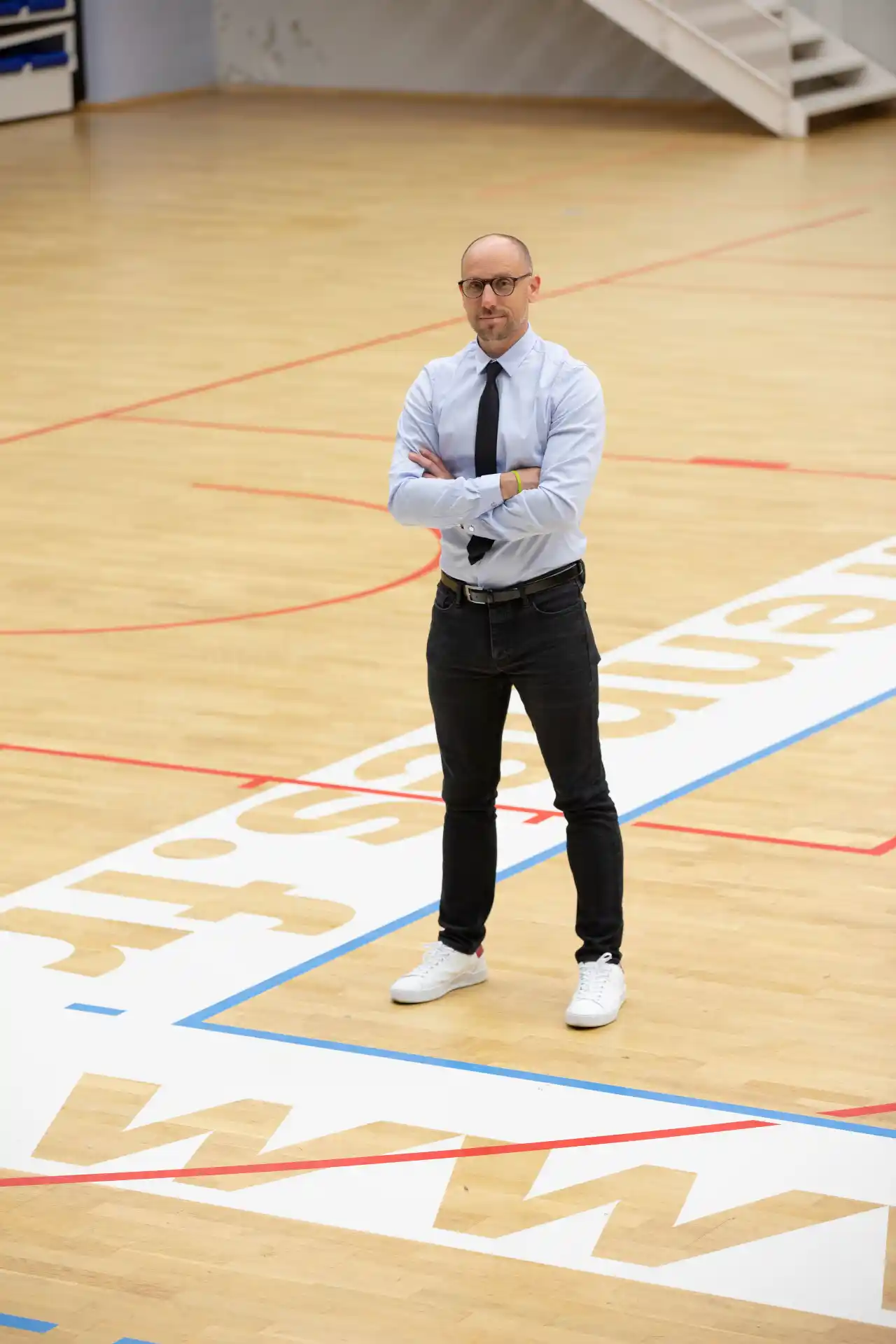
I support athletes with mental training in Rennes in person, and I also offer the option to work remotely by videoconference or phone. This format allows athletes who live far away or who have busy schedules to receive regular support without the need to travel.
Whether working with children, adolescents or adults, sessions are designed to understand the athlete's mental functioning, put concrete tools in place and monitor progress over time. The quality of the work depends mainly on the regularity of sessions and the athlete's involvement, far more than on the meeting format.
I know that for parents this solution is often particularly practical. It makes it possible to set up serious support without having to organise travel each time, while keeping regular contact and precise follow-up of the child's development.
Several families I work with actually started remotely and have noticed clear progress over the course of the sessions.
Do you live far from Rennes or would you simply prefer more flexible support?
→ Learn more about remote mental training sessions
→ Read testimonials from parents of young athletes supported through mental training