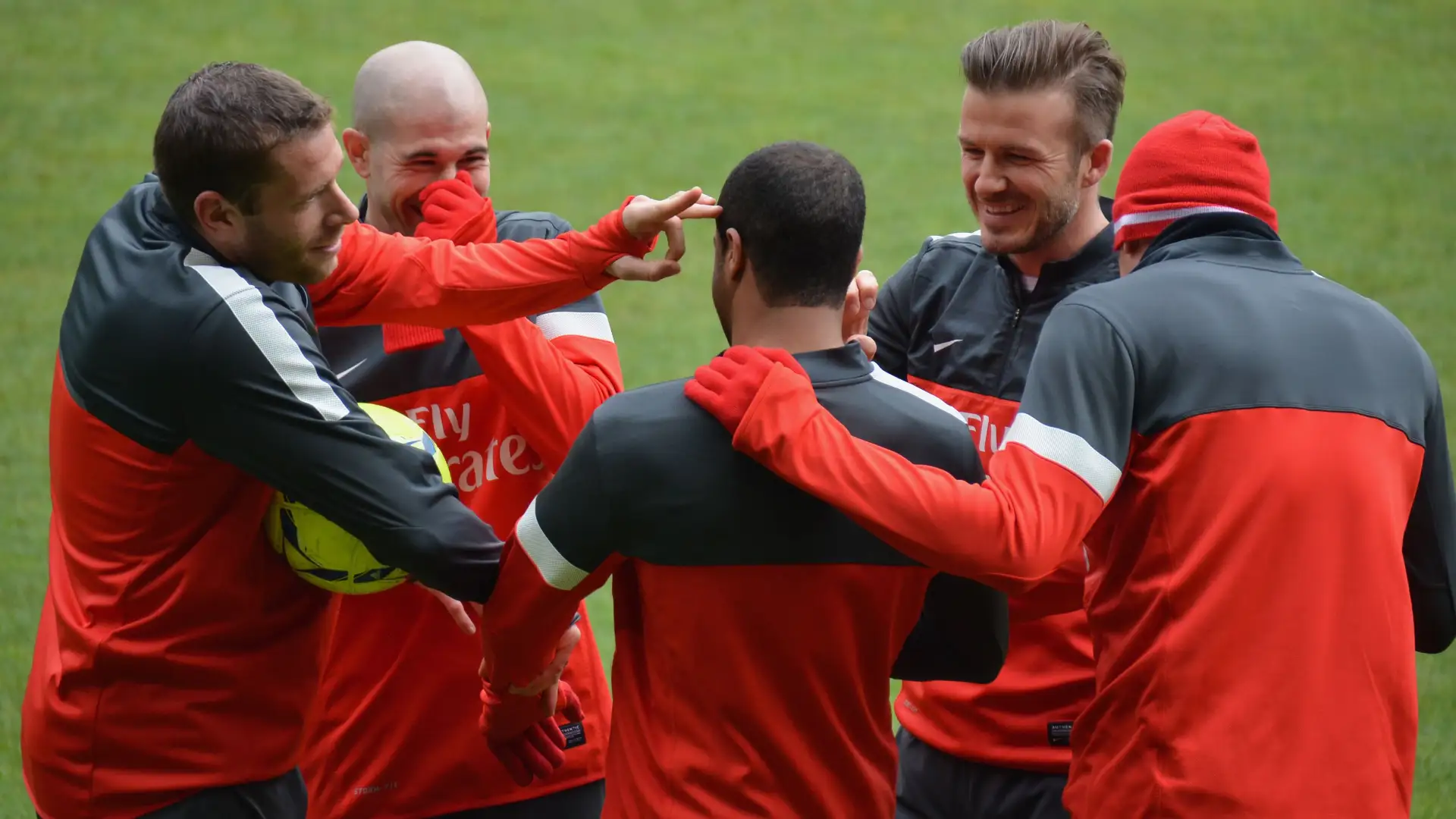
5 keys to strengthen cohesion and optimize team performance
Cohesion or Division?
You’ve probably noticed patterns of division inside a team — whether sporting or corporate — even though common sense or performance should naturally push the group toward greater cohesion. And yet it’s common. In both elite and amateur sport, some teams stay bonded under pressure while others mentally fall apart at the first obstacle. They can have very similar technical, tactical, or physical levels. The difference isn’t at the physical, tactical, or technical level. It often comes from the collective mindset! Team cohesion can’t be declared into existence. It’s built. And even better (trust me as an expert): it can be trained.
Let me share 5 essential mental keys to help a team regain confidence, stability… and above all the cohesion needed to perform sustainably, get through difficult moments, and prepare for upcoming challenges.
1. Set a clear team objective
The coach’s or manager’s first essential mission is simple: give the group a clear shared goal. A team can’t be united if everyone is moving forward with their own priorities in their head. The collective needs a heading. Everyone must know: where the coach wants to take the team, what the group aims to achieve, and why they are fighting together. Once the collective objective becomes clear, behaviors change: buy-in improves, efforts become more aligned, communication becomes easier, and the group often stays mentally much more stable under pressure. Conversely, when objectives are vague or contradictory, tensions appear: frustration, individualism, misunderstandings, loss of confidence, internal conflicts… and collective performance drops.
In my work as a mental performance coach, this is the first point I address with a coach or a team: realigning everyone in the same mental direction. Because a strong team isn’t simply the sum of talents. It’s a group that moves together toward a clearly identified common goal.
2. Clearly define everyone’s role
Everyone must know exactly what the coach, trainer or manager expects of them. One of the most frequent mistakes in a team is allowing a certain ambiguity to settle in. A player who no longer knows precisely what is expected of them often loses their bearings. Gradually, they can lose confidence, stability… and sometimes even motivation. In some teams, tensions arise simply because roles are no longer clearly defined. Cohesion doesn’t mean everyone does the same thing. On the contrary. A mentally strong team is one in which everyone knows: their role, their mission, their responsibility. In other words, what is expected of them.
3. Manage egos without crushing personalities

Zlatan Ibrahimović: for team cohesion, the coach must know how to manage egos
Egos exist in a top-level team just as they do elsewhere — and that’s perfectly normal. The idea of crushing or erasing egos is often counterproductive. The aim isn’t to break personalities. The aim is to help each person understand that their individual success also depends on collective success. And vice versa.
A crucial strategy is to help identify, define and communicate clearly what we call primary interests versus secondary interests. That brings clarity and puts priorities in the right place. When a player deeply understands where their true interest lies, many tensions naturally disappear. Because ultimately, a team becomes strong when individuals stop fighting against the collective.
4. Find the balance between emotional neutrality and emotional impact
This is what the best coaches, trainers and managers master.
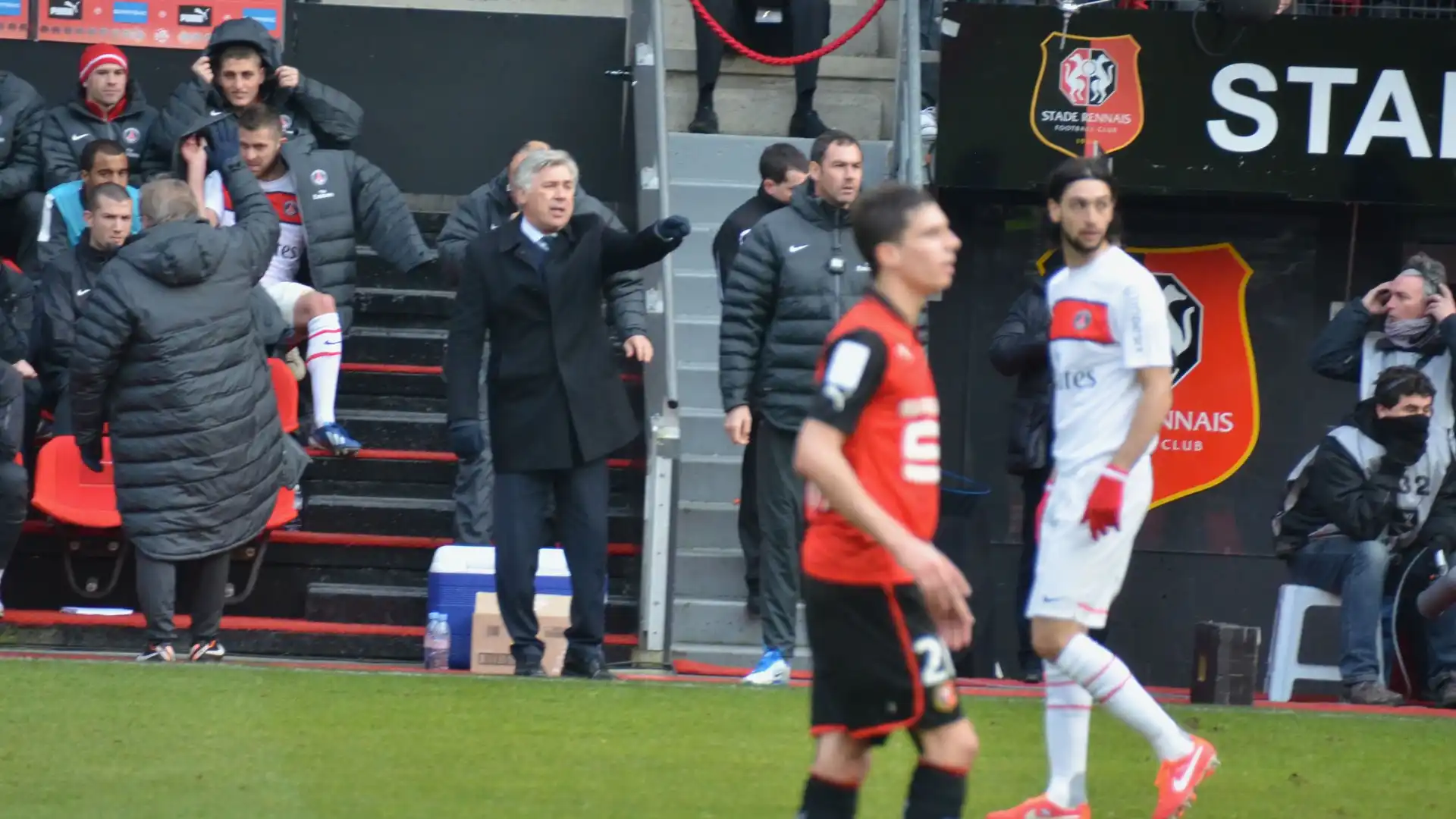
Carlo Ancelotti: sometimes it’s useful for the coach to restate instructions or adjustments
It’s essential that a coach works on their own emotion management to avoid contaminating the group, increasing stress, or creating mental instability. That doesn’t mean becoming cold. It means learning to convey, through posture and emotional control, a sense of mastery, stability and clarity. But the most powerful key is also knowing how to use emotions intelligently when it’s crucial to deliver a strong message. And that’s probably one of the most complex subtleties of leadership.
Because yes, a coach should often aim for a form of emotional neutrality: stay clear-headed, maintain control, and transmit stability. But not exclusively. In reality, a “controlled” anger, a sincere emotion, a powerful silence, or a particular intensity can profoundly mark a team. Yannick Noah, in his victorious captaincies with France’s Davis Cup team, often knew how to play skillfully across all these registers.
A leader’s emotions directly influence the collective mental state. Great teams (as well as small ones) often feel together before they act together… and not necessarily with conscious awareness.
5. Build collective confidence under pressure
Team confidence isn’t built only in victory. It’s also — and above all — built in difficult moments: through trials, after mistakes, under pressure, in adversity, or when doubt appears. That’s precisely where I work on the group’s ability to remain emotionally united. Whether through cohesion talks, long-term work with the staff, or support for managers. The most mentally resilient teams aren’t those that never doubt. They’re often those that keep moving forward despite doubt. And that’s exactly where cohesion becomes a massive lever for performance.
The collective mindset often ends up swinging the outcome of a match, a season, or even an entire dynamic.
Behind teams that can stay solid under pressure, there almost always exists:
- a clear direction
- clearly defined roles
- smart management of egos
- emotional stability
- and genuine collective mental work
In sport as in business, these mechanisms can profoundly transform a group’s performance. And contrary to some received ideas, they can indeed be trained. That’s precisely what my mental training approach enables: helping a team, coach or manager build a more stable, stronger collective dynamic… and become more effective as pressure rises. A united team is not a team that never doubts.
It’s a team capable of continuing to move forward together despite doubt, difficulties and pressure.