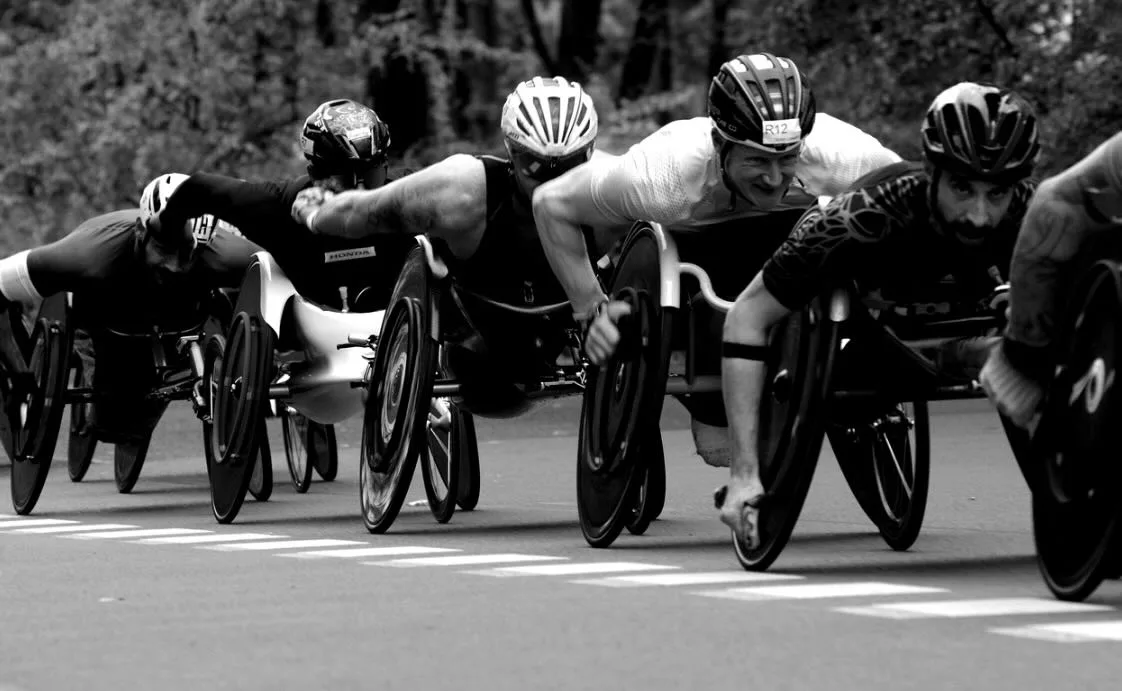
Mental endurance: the skill to endure, perform… and make a difference
Mental endurance… are we talking about it enough?
Because practically it's everywhere. Among athletes, of course. But also among leaders, students, or anyone facing the demand for results. Whether in running, cycling, football, tennis, swimming, rugby, golf … the list is long. Or even in weightlifting or CrossFit.
Mental endurance in sport: when everything gets hard
That moment when:
- your legs feel heavy in running or trail
- the lactic burn kicks in on the bike or during a 400m
- clarity fades at the end of a football or rugby match
- focus slips during a tennis tiebreak
- fatigue sets in during a swim set or a gym session
…and where continuing becomes a decision.
That's precisely where mental endurance begins. Not in comfort. But in that unstable zone where fatigue, emotions, pressure, stress… and choices mix.
Mental endurance: a skill, not just sheer willpower
Let's cut through the myths! No, mental endurance is not just raw "willpower." It's a specific skill: the ability to maintain commitment over time despite physical, emotional and mental discomfort. It shows up differently across sports, but follows the same logic.
Holding pace in running. Keeping the power on in cycling. Staying clear-headed under pressure in team sports. Maintaining your concentration in tennis or golf. Grinding out one more rep in weight training.
👉 In all cases, it's not just physical.
The brain's role: cognitive biases, the adaptive unconscious and Libet's half-second
The brain plays a central… and sometimes limiting role. Through cognitive biases, it amplifies fatigue, dramatizes sensations and anticipates failure.
"I'm tired" becomes "I can't go on anymore."
Added to that is the adaptive unconscious, that automatic mechanism that tries to protect you by limiting your engagement before you reach your true limit. The famous Libet half-second perfectly illustrates this phenomenon. Before you even make a conscious decision—slow down, stop or continue—your brain has already initiated an impulse.
Preparing for competitions: managing stress, pressure and concentration
That's why preparing for competitions can't be limited to the physical and technical sides.
On event day you'll have to handle:
- the pressure to deliver results
- stress management
- the loss of concentration
- fear of failure… or fear of injury
- the accumulated mental load
Without mental training, these elements take over. With a structured framework, you can help regulate them. Confidence then becomes an essential foundation.
In a final sprint, a last set, or a tight finish, one question keeps coming back:
👉 "Can I keep going?"
Confidence and long-term emotional regulation
But mental endurance doesn't rest solely on confidence. It's deeply tied to long-term emotional regulation. Because behind every difficult moment, there's an emotion:
- frustration at slowing down
- guilt about not being at your level
- fear of failing
- fear of injury
- overload from accumulated mental load
👉 The goal isn't to eliminate emotions. The work is to keep acting with them. It's (we work on this in sessions) a true continuous emotional transaction.
Concentration and the flow state: staying effective under pressure
And in those moments, concentration becomes a decisive lever. Because the moment attention scatters: the perception of fatigue can amplify, errors increase and performance drops.
Conversely, controlled concentration can let you stay in the action, limit the impact of cognitive biases and maintain steady engagement. It's exactly at that point that people talk about the flow state: that state where everything feels smoother, where you're fully present in the moment, without mental overload despite the intensity of the effort.
Depolarization: moving out of mental extremes to endure
Another common pitfall lies in how the brain polarizes situations. In a match, a competition or daily life, it quickly flips to:
"it's a success or a failure", "I'm good or I'm bad".
👉 This polarization increases pressure and weakens mental endurance.
The work of depolarization helps to add nuance, take perspective, regain clarity and stay engaged without being trapped in those extremes.
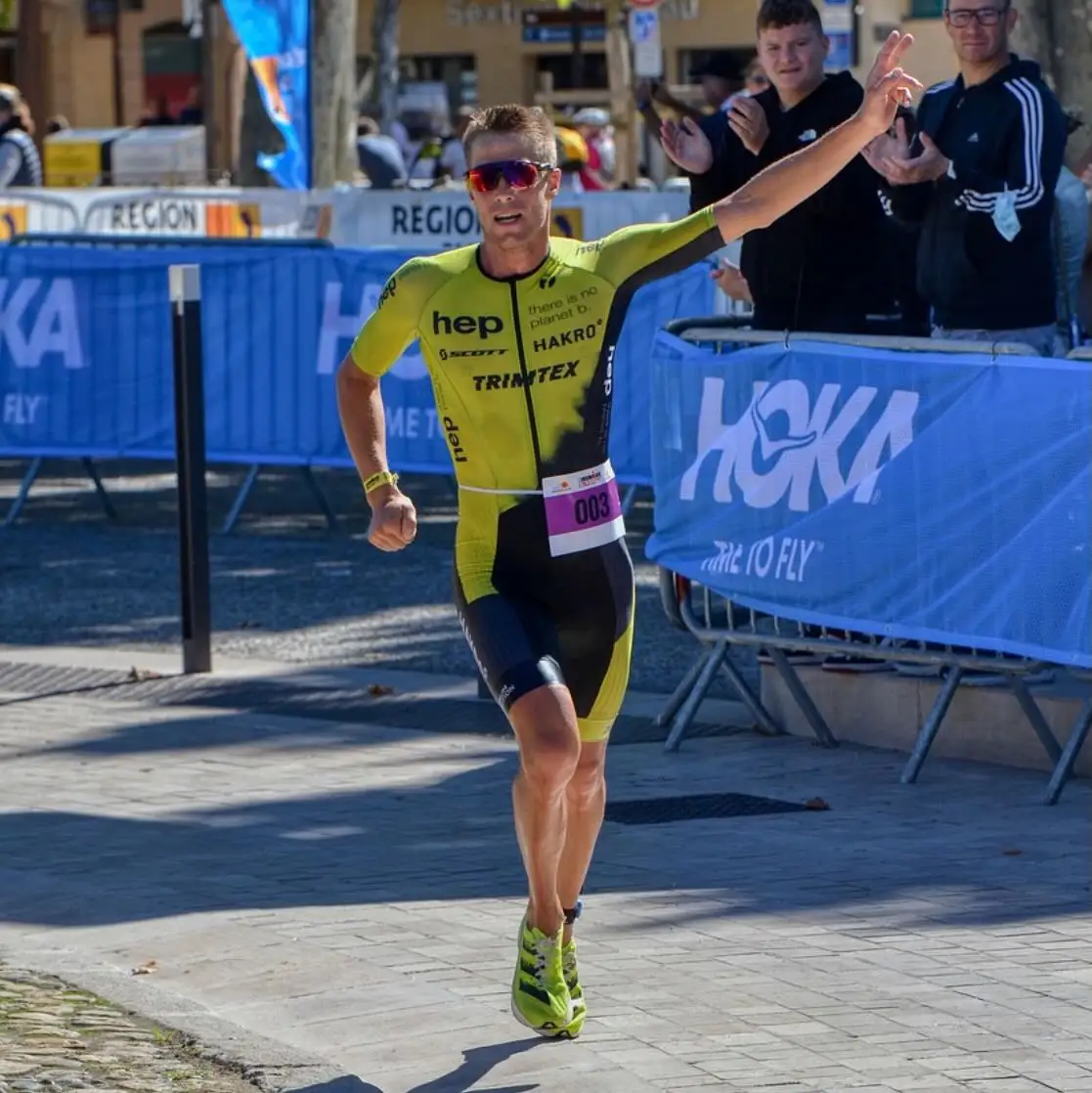
Mental endurance: sport, business, leaders and students
You know it: mental endurance doesn't only concern athletes. In business, for leaders it is called on in the face of result pressure, complex decisions, managing mental load and constant uncertainty. For students, it comes into play in exam preparation, stress management, the ability to maintain concentration and to sustain effort over time.
👉 In every case, the logic is the same: endure, stay engaged, keep going despite discomfort.
Develop your mental endurance through mental training (including remotely)
Good news: this skill can be developed.
The mental training I offer is designed to structure that progression: to work on confidence, stress management, concentration and emotional regulation.
And rest assured: even remotely we can effectively support anyone who wants to progress—athletes, leaders, students—with flexibility, confidentiality and rigor. The goal is simple: to help you endure, stay clear-headed… and perform in the moments that count.
Why mental endurance makes the difference in key moments
"Mental endurance isn't necessarily spectacular. But it's decisive."
It makes the difference:
- in a final sprint
- in a tight match
- in a hard session
- in an important decision
- during a demanding period
Do you want to strengthen your confidence, better manage your stress, improve your concentration and perform under pressure?
Whether it's to prepare for sports competitions, succeed in your studies or face business demands, mental endurance is a skill that is built.
I support you, in Rennes or remotely, to make that difference.