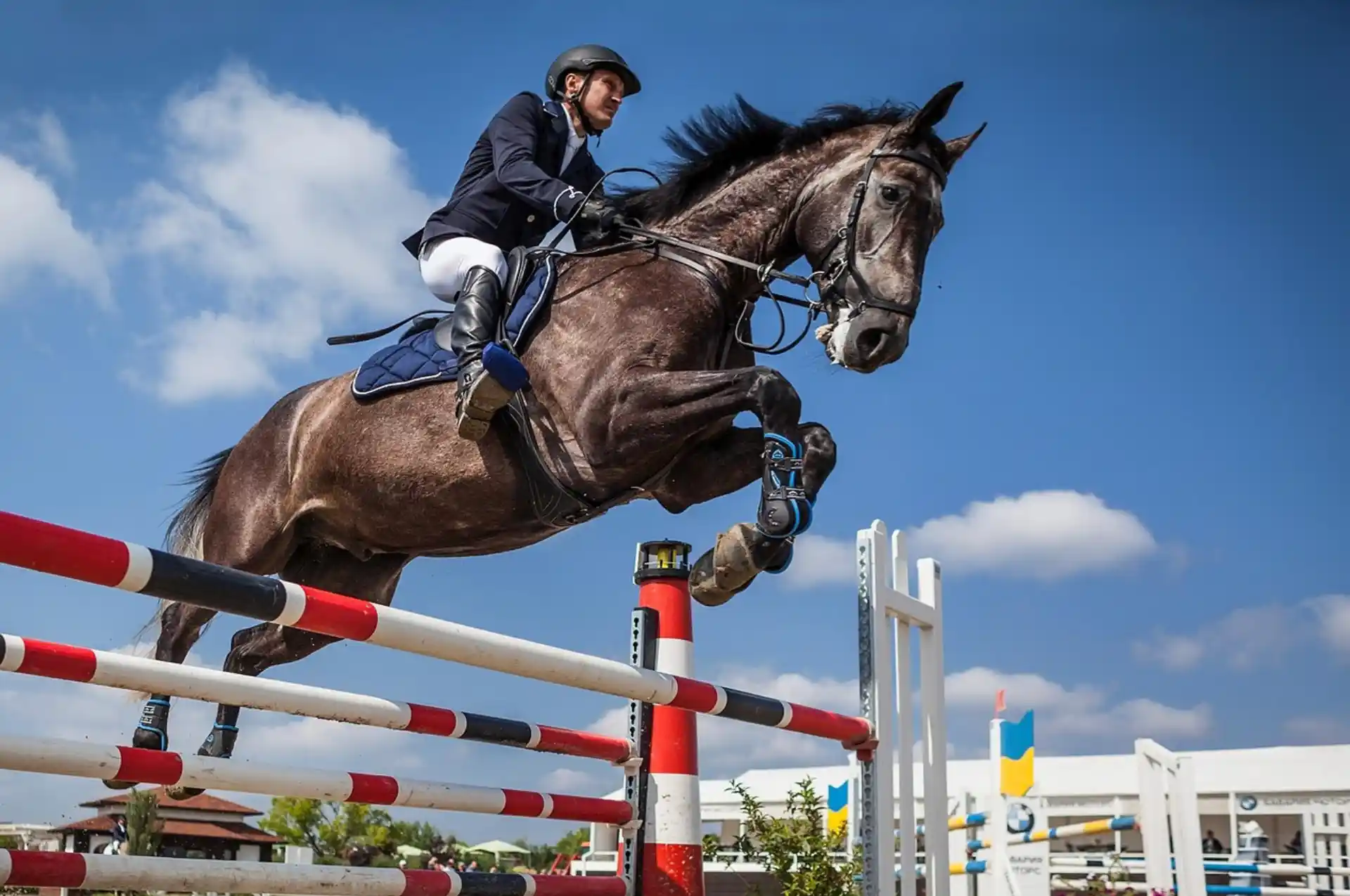
I love working with riders… Why?
Because working with a rider is never just working with one person. It's working with two living beings. A human. A horse. And between them, something subtle, demanding, invisible… A relationship. A connection. A language.
I'm not just helping an athlete. I'm helping a "pair" — two teammates, two partners, a collaboration!
And that's precisely what makes mental training in equestrian so fascinating — and so decisive. Because while other sports rely on a single system (the body + the mind of the athlete), here you have to work with a second living, sensitive, reactive system… that never lies.
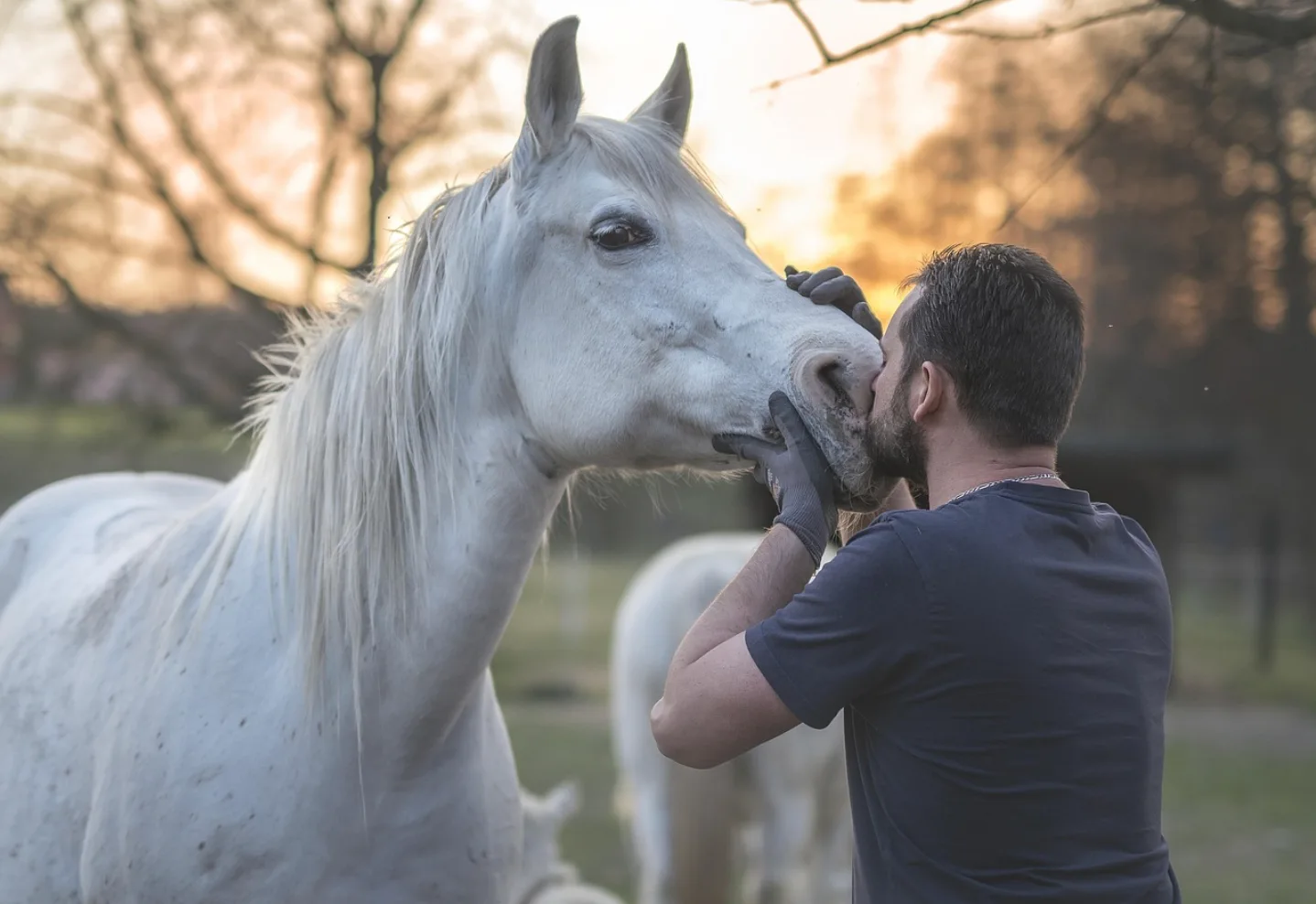
A joint performance: understand, adjust, harmonize
The rider does not pilot a machine. They interact with an animal capable of perceiving, interpreting… and sometimes receiving contradictory information. That's where the mental side becomes central. What the rider thinks, feels and anticipates — consciously or not — directly influences the quality of guidance.
I often hear: "The horse feels the rider's emotions." Undeniably. But what's certain is that the rider acts differently depending on what they believe and feel. And that's where it all plays out. Between beliefs, emotions and behaviour there can be invisible mismatches. Cognitive biases. Unconscious automatisms. The result: less clear guidance, less readable intentions… and cooperation that can be weakened. Imagine unconsciously sending two instructions at the same time. Good luck executing an action at 100%.
Mental preparation helps to realign these dimensions to make communication clearer, smoother and more effective.
The obsession with a clear round and the trap of the last obstacle
In show jumping, the objective is clear: a clear round. But what's interesting is what happens just before it. At the penultimate fence, some riders are already elsewhere. They see the standings. They picture the victory. They imagine the trophy on the mantel. And without realizing it… they leave the moment. It's a classic phenomenon: attention shifts from the present to the result. And that's precisely where faults can occur.
Why?
Because the brain works by anticipation. Because in neuroscience Libet's half-second reminds us that our decisions are being prepared before we become aware of them. And because when attention drops, the movement loses precision. That's exactly why we work on:
- concentration routines
- the ability to stay engaged until the last fence
- being present in the action
Pressure, others' judgment and hidden expectations
Equestrian sport is particular. There is performance… But there's also everything that surrounds it. The financial cost. Other people's judgment. Explicit or implicit expectations from those around you. Coaches' projections. The pressure of results.
Some pressures are visible. Others are totally internalized. And often it's the latter that weigh the most, because they can feed the fear of failing or even the fear of winning. Mental preparation here helps to depolarize these stakes. To move away from all-or-nothing thinking. To regain clarity.
And above all… to give the rider back a sense of freedom in action.
Paddock, season and mental endurance
Clearly performance doesn't start on the arena. It starts much earlier. In the paddock. In the waiting. In the quiet moments. And these "invisible" times are actually decisive. Simply because they require real mental endurance:
- manage the wait without getting exhausted
- stay engaged without tensing up
- maintain a steady level of attention
And then there's the season. Its highs. Its lows. Its busy periods. Its moments of doubt. There can even be several horses to manage. So multiple stakes to integrate and several performances to chain.
Here, we work on:
- resilience
- managing frustration
- the ability to bounce back
- the emotional stability over the long term
Towards the flow state: when everything becomes fluid
In mental preparation the goal is not only to "manage." It's also to try to aim for that particular state where everything aligns. What some call the flow state. In this configuration, cooperation is fluid, simple, almost unconscious. A natural synchronization between rider and horse — something that often happens in training and that we try to reproduce in competition.
This state isn't left to chance. It is prepared. It is built. And of course it's an implicit objective we try to make possible through mental preparation sessions. Just like self-confidence, which — even if I don't always name it — is an underlying element of my coaching. And each time we help an athlete (a sportsperson, a rider…) progress on their stress and emotion management, we adjust their self-confidence.
5 areas of mental training work for riders
To keep it simple, here's how I most often work when supporting riders. I recommend at least 5 sessions. Ideally 10. To anchor progress more durably.
1. Clarify beliefs and adjust cognitive biases
To avoid limiting interpretations and regain a more accurate reading of situations.
2. Master emotions and pressure
To stay clear-headed, steady and effective, even in high-stakes moments.
3. Develop solid concentration routines
To be present from the first to the last fence.
4. Strengthen mental endurance and resilience
To hold up over time, in the paddock and across the season.
5. Facilitate access to the flow state
To smooth the rider/horse relationship and optimize performance.

👉 Testimonials from athletes I've worked with
A demanding and deeply human approach
Working with a rider means working with a pair. But also with an entire environment. With expectations. Emotions. Visible… and invisible stakes. My objective is clear and simple: enable riders to be more consistent, more confident, more focused… and more decisive on the day. Simply because at equal technical and physical level, what makes the difference… is very clearly the mental.
👉 Are you a rider and do you want to be more consistent, more confident and more competitive in competition?
I offer mental preparation coaching in Rennes or remotely.